MADRING an accessible circuit, F1 Spanish Grand Prix
F1 Spanish Grand Prix: Madrid debuts an accessible circuit
August 24, 2026
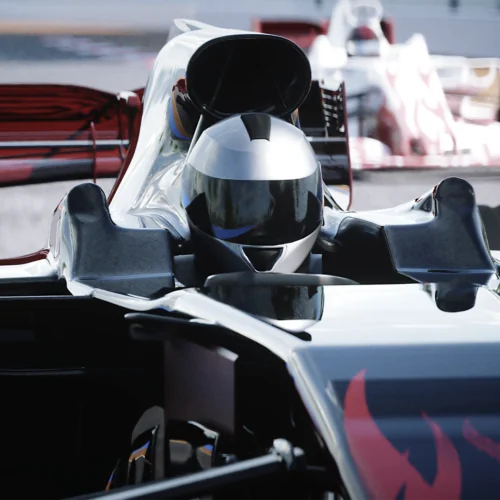
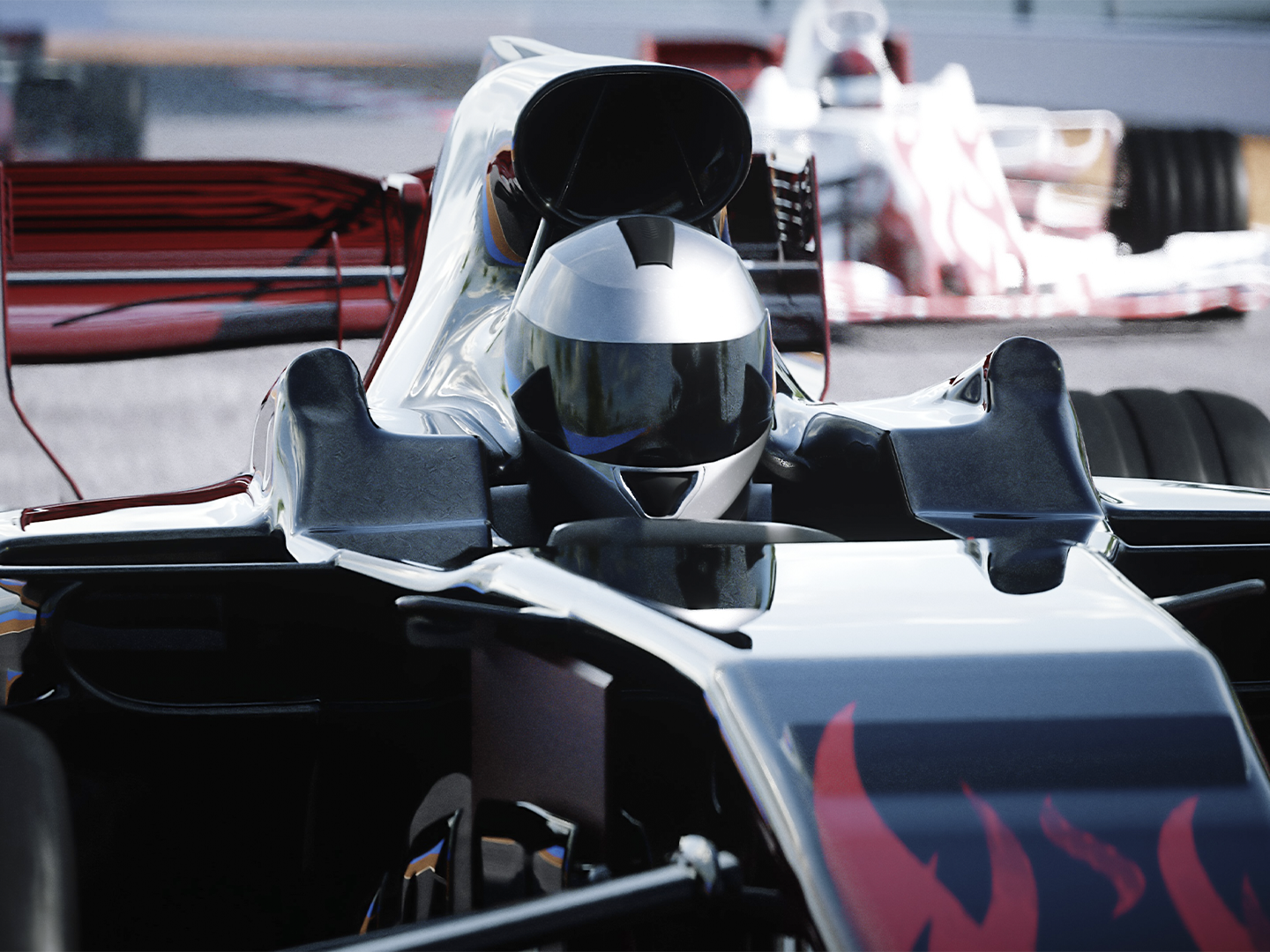
MADRING is not just asphalt and speed: it is proof that a major sporting event can be designed from the start so that no one is left out.
The first car races, in France in 1894, barely had rules: drivers competing on dirt roads, each on their own. The Fédération Internationale de l’Automobile (FIA), founded in 1904, took decades to bring order to that chaos. It was not until 1950 that it organized the first Drivers’ World Championship, with Giuseppe Farina’s victory at Silverstone behind the wheel of an Alfa Romeo.
Since then, Formula 1 has turned the streets of cities like Monaco, Singapore, or Las Vegas into part of the spectacle. However, those urban tracks share a pending challenge: temporary stands and access routes designed without considering fans with disabilities.
The Formula 1 Tag Heuer Spanish Grand Prix 2026, held in Madrid from September 11 to 13, proposes a different approach: a circuit conceived from the very first sketch so that speed can be felt firsthand, regardless of physical condition.
The MADRING circuit: 22 turns and a Spanish signature
Madrid brings back the Spanish Grand Prix 45 years after its last event at Jarama, doing so with a 5.4-kilometer semi-urban layout with 22 turns, designed by the studio Studio Dromo around IFEMA and Valdebebas. Carlos Sainz, Madrid-born driver and ambassador for the event, has been one of the project’s most visible faces since its presentation.
The race will run for 57 laps, but all eyes are fixed on a single point along the track: La Monumental, turn 12. At over 547 meters long with a 24% bank, it is already the longest banked turn in the entire World Championship—a challenge that will force drivers to negotiate it with millimeter precision in front of tens of thousands of spectators.
The organizers’ objective extends beyond the track: to make MADRING the best public-transit-connected circuit on the calendar, aiming for over 80% of attendees to arrive by metro, train, or bus over the weekend.
How to get to the F1 in Madrid by metro
Carlos Sainz demonstrated it in person in a campaign recorded for social media: he boarded Metro Line 8 at Nuevos Ministerios and arrived at Feria de Madrid in under nine minutes, with no traffic or congestion along the way.
Metro de Madrid will boost service from September 11 to 13 with increased train frequency and additional staff at stations serving the IFEMA venue. For those traveling from afar, the proximity to Adolfo Suárez Madrid-Barajas Airport—just five minutes away by car—further simplifies arrival for international fans.
ONCE Foundation and IFEMA: a historic accessibility pact
Designing an accessible event is not about adding a ramp at the last minute. The Madrid Grand Prix integrated inclusion into its initial plans from the start—a commitment sealed with a framework agreement signed by Daniel Martínez Rodríguez, Executive Vice President of IFEMA MADRID, and José Luis Martínez Donoso, Managing Director of ONCE Foundation.
The role of ONCE Foundation during the weekend
Thanks to this agreement, attendees with reduced mobility, visual impairments, or hearing impairments will receive tailored support throughout the three days of competition. ONCE Foundation is responsible for:
- Physical accessibility audits, covering the inspection of facilities, access routes, restrooms, and trackside platforms.
- Staff training for IFEMA MADRID personnel to guarantee appropriate assistance and care.
- On-site volunteers, selected and trained by the foundation itself, to assist and guide attendees around the venue as needed.
Tickets and areas for reduced mobility guests (PRM)
If you have reduced mobility, getting your ticket is simple: when starting your purchase on the circuit’s official website, select the specific PRM option. An important detail: if you are attending with a companion, purchase both tickets in the same transaction so the system automatically assigns adjacent seats.
Accessible Madrid, beyond the track
The Grand Prix weekend is also a great occasion to discover that Madrid has been championing accessibility long beyond a single event, as highlighted in our guide to accessible destinations near Madrid. If you are looking for places to eat without worrying about entry barriers or uncomfortable tables, this selection of accessible restaurants in Madrid can save you time between practice sessions.
This is not the first time a major Madrid event has prioritized inclusion: a few months prior, San Isidro 2026 strengthened its accessibility measures so no one would miss out on the celebrations. The Spanish Grand Prix confirms that this commitment is here to stay.
Where to stay in Madrid during the Grand Prix
With the track full of adrenaline, your accommodation needs to measure up to the weekend. If you are looking for comfort, friendly service, and true accessibility with no surprises upon arrival, ILUNION Hotels offers four options in the capital: ILUNION Pío XII, ILUNION Atrium, ILUNION Alcalá Norte, and ILUNION Suites Madrid.
All four hotels feature adapted rooms and barrier-free common areas, backed by a team trained in universal accessibility. In addition to being conveniently located and pet-friendly, these ILUNION Hotels properties in Madrid are free of tourist tax—a notable saving during a high-demand weekend. If you just want to unwind after the race, several of these ILUNION Hotels in Madrid with swimming pools offer the perfect touch to recharge your batteries.
Choosing any of the four ILUNION Hotels in Madrid guarantees a restful stay after a historic weekend of motorsport, speed, and freedom in the capital.