How we prevent food waste at ILUNION Hotels
Anticipation and prevention: the keys for ILUNION Hotels in the fight against food waste
March 10, 2026
Food waste has become one of the major challenges for the HORECA sector. Every year, tons of perfectly consumable food end up in the trash, a problem that carries significant economic, social, and environmental implications.
The entry into force of the Law on the Prevention of Food Loss and Waste, published in the BOE (Official State Gazette) in April 2025 and fully applicable as of April 3, 2026, reinforces the precise need to measure, prevent, and responsibly manage surpluses. Among other matters, the regulation establishes the obligation to have waste prevention plans in place and to encourage the redistribution or donation of food throughout the food chain.
At ILUNION Hotels, we have been working along these lines for years. Long before the new regulations were approved, the company had already begun incorporating measures to reduce waste in the daily operations of its hotels, developing an internal food waste policy based on the principles outlined in the draft bill.
Avoiding leftovers: the true objective
The approach starts with a simple idea: the best way to combat food waste is to prevent it from occurring in the first place.
“The focus is on prevention. It’s not just about managing what is left over, but about preventing leftovers from the very beginning,” explains Victoria Rodríguez Cerro, Corporate Food & Beverage Manager at ILUNION Hotels.
With this premise, the company has been introducing changes at different stages of the process, from purchasing planning to the way food is presented to guests.
Adjusting processes to avoid surpluses
One of the first steps lies in planning. Teams adjust purchasing based on occupancy forecasts and the expected number of diners, allowing them to produce only what is necessary for each service.
Work has also been done on buffet management. Instead of continuously replenishing full trays, teams perform tighter replenishments and rearrange displayed food to maintain an attractive presentation without generating unnecessary surplus.
This is especially relevant because food safety and hygiene regulations state that food displayed in a buffet cannot be reused later.
Another measure adopted has been the reduction of plate sizes in buffets. The goal is to encourage more conscious consumption: guests can go back for seconds as many times as they wish, but they avoid serving large quantities from the start that might later end up in the trash.
Measuring to improve
The new regulations also focus on measuring food waste. Knowing which foods are wasted and in what quantities allows for process analysis and the implementation of improvements.
In this regard, ILUNION Hotels is developing pilots with the Orbisk tool at the ILUNION Alcalá Norte and ILUNION Fuengirola hotels. This system allows for distinguishing between shrinkage—scraps inherent to the preparation process—and actual waste, which is prepared or purchased food that is ultimately not consumed.
Having this data will allow for continued improvement in waste management across the entire hotel network.
Giving food a second life
In addition to prevention, the company also works to make the most of food that can still be used.
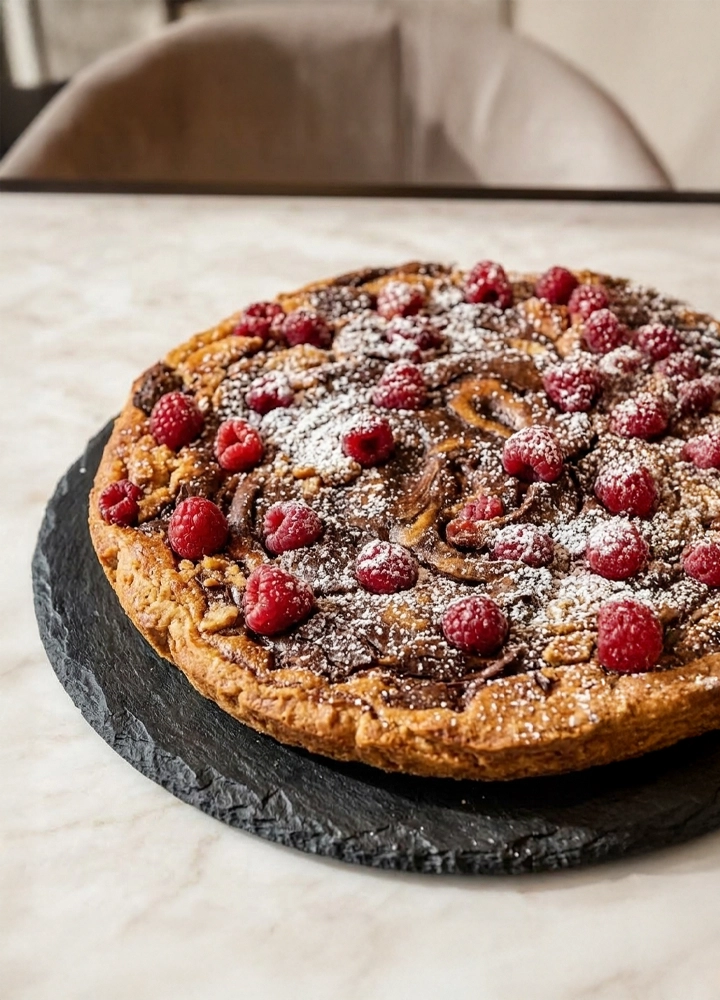
In some breakfast buffets, dishes made with products in perfect condition that might otherwise end up being discarded are being introduced. For example, leftover bread or pastries can be transformed into puddings or cakes to be offered again at breakfast, while cheese and cold cut offcuts can be used as fillings for savory tarts, puff pastries, or empanadillas, giving these foods a second life.
These recipes are part of an internal upcycling cookbook that gathers proposals from the kitchen teams and is shared among the hotels to foster this culture.
Reducing final waste
When surpluses occur, the company also works to minimize their impact. In line with its social model, part of this food can be allocated to the hotels’ staff.
Furthermore, since 2022, ILUNION Hotels has maintained an alliance with Too Good To Go, a platform that allows the offering of “surprise packs” with surplus food at reduced prices.
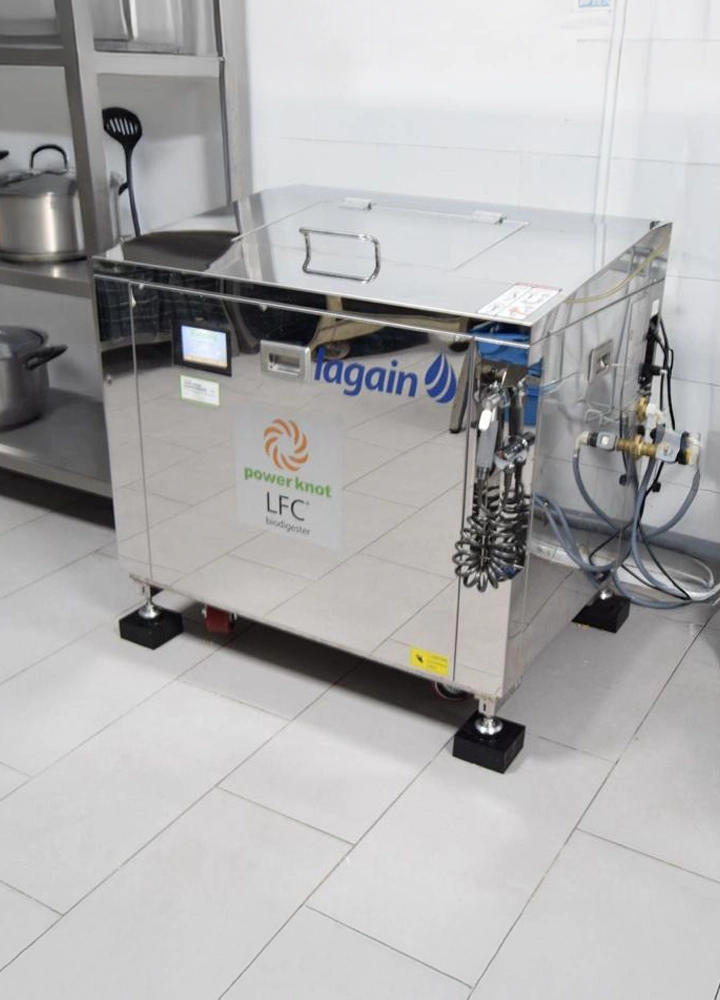
Added to these initiatives is the introduction of biodigesters in some establishments, such as ILUNION Atrium, which allow for the reduction of organic waste volume through a biological process that transforms it into water. Although this is not a food waste management tool per se, it does contribute to reducing the impact of the final residue.
With the new regulations coming into force, the sector is moving toward a model where measuring, preventing, and managing food waste will become increasingly important.
At ILUNION Hotels, many of these practices are already part of the daily hotel operations, reflecting a commitment to more efficient resource management and an increasingly sustainable hotel model, in a context where food waste reduction is consolidating as one of the major sustainability challenges in the tourism sector.