ILUNION and CaixaBank boost tourism accessibility
ILUNION Accessibility and CaixaBank Hotels & Tourism present a pioneering manual that addresses the customer experience globally
April 16, 2026
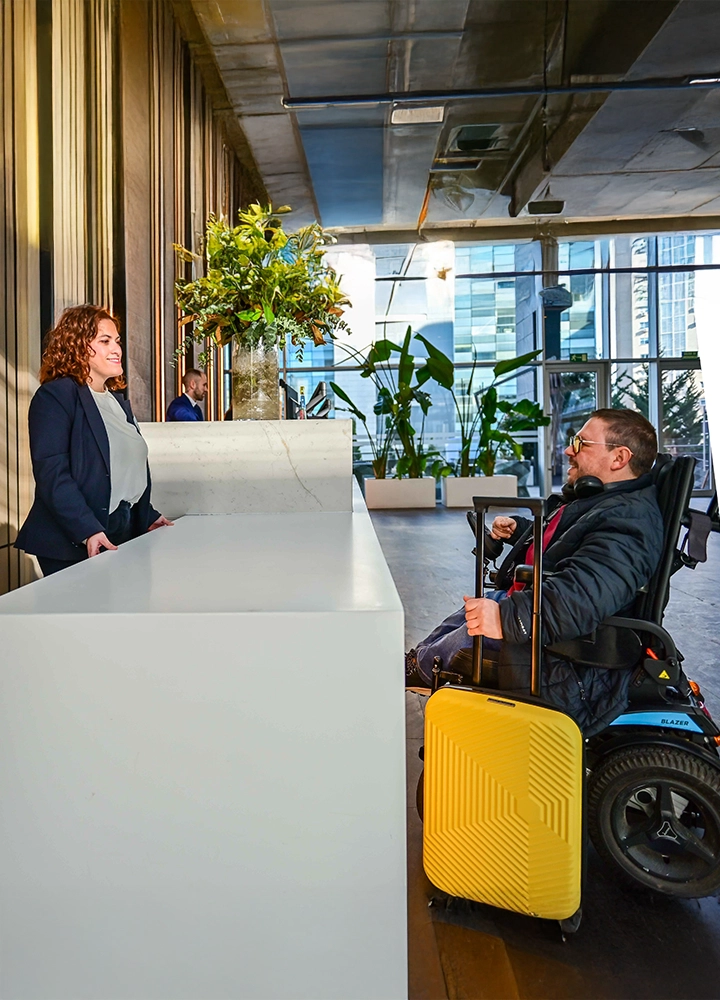
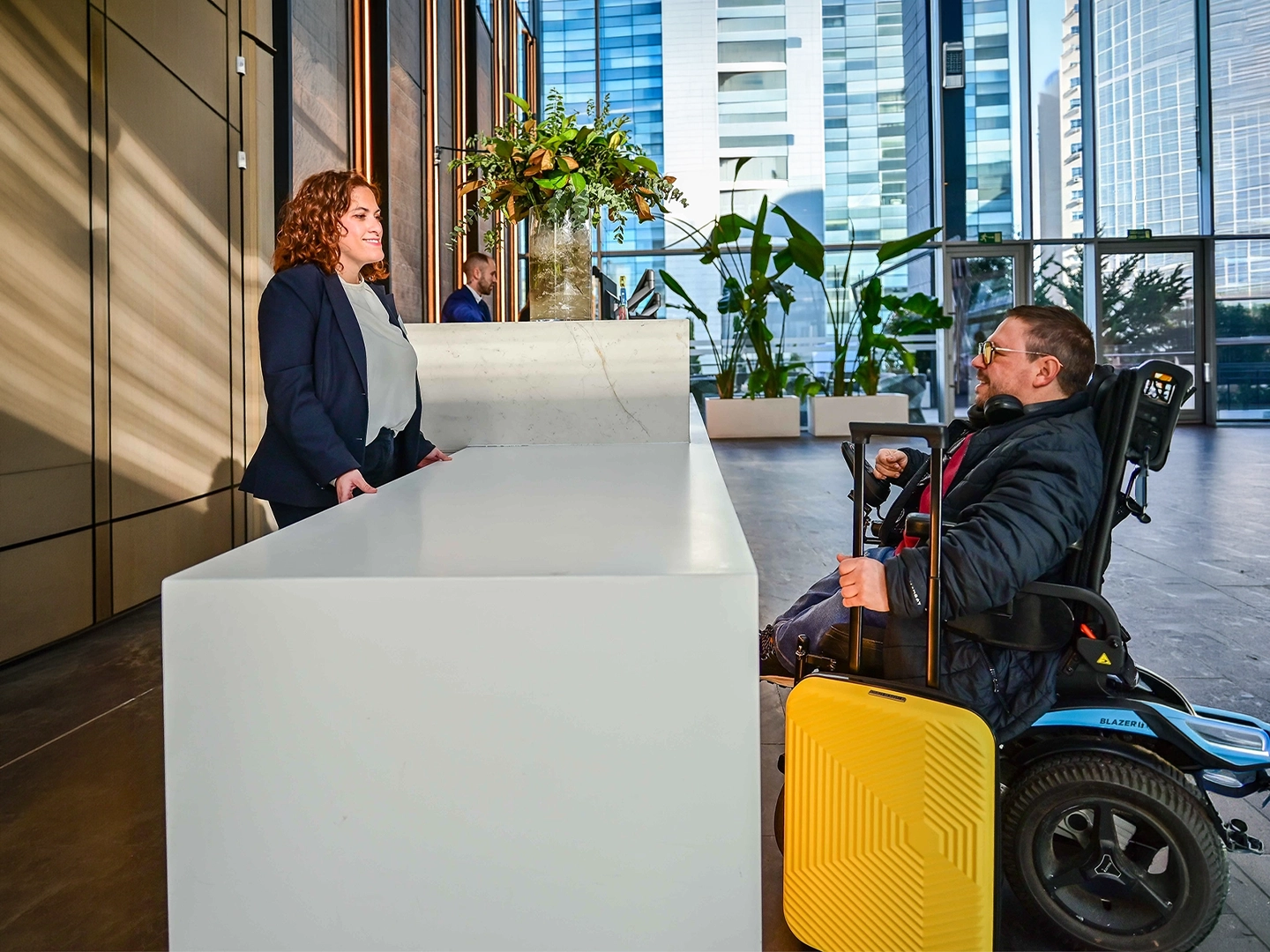
In a decisive step toward more inclusive and competitive tourism, ILUNION Accessibility and CaixaBank have joined forces to launch the guide: “How to make tourist accommodation accessible. Legal and functional requirements.” This document is the first manual to analyze accessibility not merely as an architectural standard, but as a value chain that encompasses every point of contact with the customer.
A response to a real and growing demand
The importance of this initiative is supported by data. According to the INE (National Statistics Institute), one in three people has specific accessibility requirements, whether due to disability, advanced age, or temporary limitations.
In Europe, this figure reaches 101 million people, representing 27% of the population, explains Tatiana Alemán, Head of Territorial Planning and Physical Environment at ILUNION Accessibility.
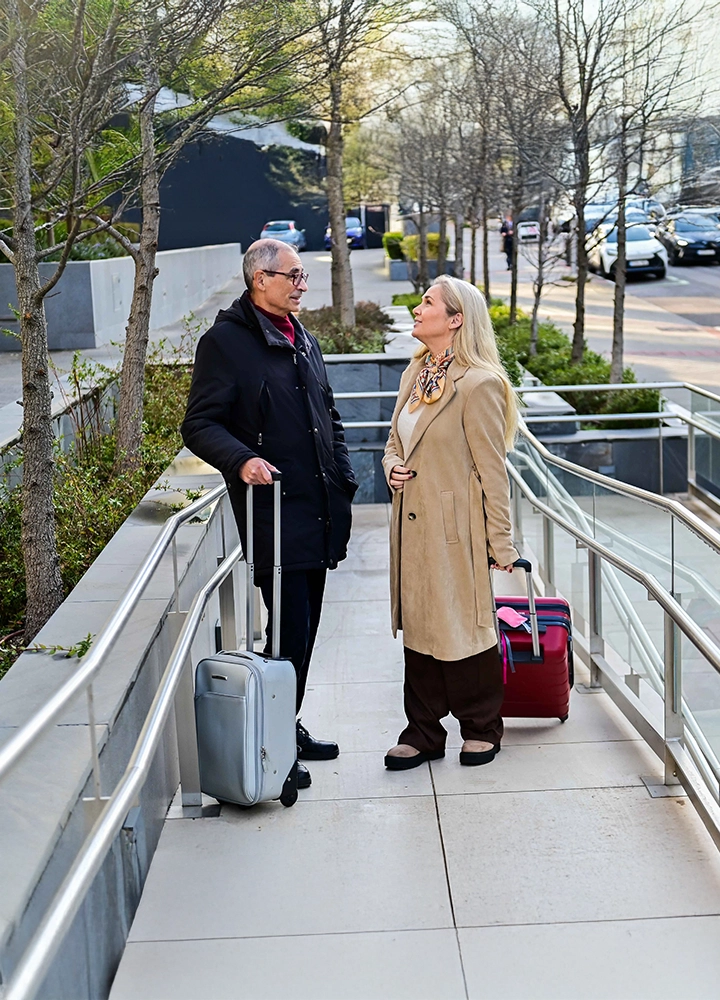
Furthermore, Alemán highlights that 70% of people with disabilities in Europe travel. In addition, this demographic currently prioritizes quality experiences that allow them to enjoy the present.
This market shows a growing demand that requires responding to needs, such as installing more comprehensive facilities, in order to provide services that strengthen the reputation of accommodations and contribute to their path toward social responsibility.
A practical and applicable guide
For Patricia Otero, Managing Director of ILUNION Accessibility, accessibility is a clear competitive advantage: “We understand accessibility as a strategic value that enhances the customer experience and strengthens the competitiveness of the tourism sector.”
The guide’s approach is fully aligned with ESG criteria and the standards of Smart Tourist Destinations. Moreover, it goes beyond mere regulatory compliance by offering practical recommendations, including:
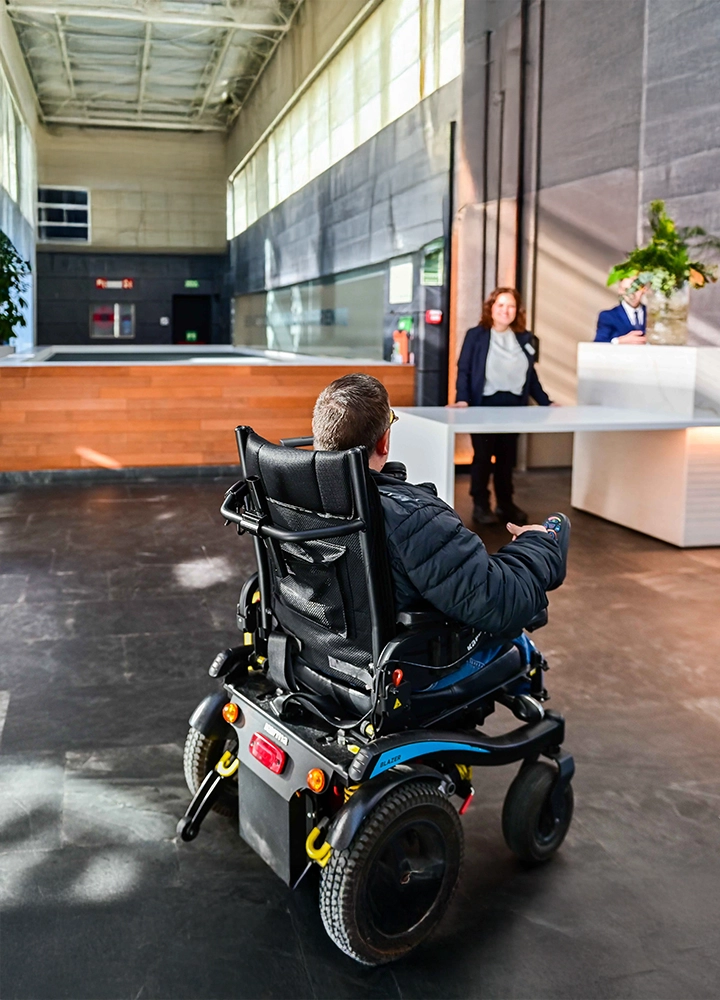
- Accessibility chain: covering the entire customer journey, from online booking to the effective use of spaces and services.
- DALCO criteria: deambulation (movement), apprehension (grasping), localization (locating), and communication.
- Accessible technology: such as induction loops, Navilens, Visualfy, or home automation solutions.
- Checklists: to systematically evaluate the accessibility level of an establishment.
- Workplace inclusion: with initiatives such as the “la Caixa” Foundation’s Incorpora program.
Financing to facilitate transformation
To facilitate the implementation of these improvements, CaixaBank Hotels & Tourism will not only distribute the guide among its clients but will also offer specific financing lines. The objective is to incentivize investments that combine current regulations with innovation and design, demonstrating that accessibility is synonymous with quality and comfort for all guests.
Truly integrated accessibility
ILUNION Hotels is a clear example of how accessibility can be integrated transversally, placing human value at the center of its model. The result is an inclusive environment where everyone has a place. Their experience shows that investing in accessibility is not only possible but also profitable and essential for the future of tourism.
This guide invites the entire tourism sector to join the “hospitality with a soul” model championed by ILUNION Hotels, where social responsibility goes beyond regulatory compliance.
With tools like this, ILUNION and CaixaBank pave the way for accessibility to become the norm and for every traveler to enjoy their experience with autonomy and dignity.